
May 26, 2026 10:53 am
Written by Tyana Alexandra
Why Connectivity is the Foundation of Learning: How Infrastructure Impacts Outcomes
Technology in schools underpins almost every part of the learning experience. From classroom teaching and safeguarding systems to assessments, communication tools and day-to-day operations, schools rely on digital infrastructure more than ever before.
But while devices and software often take centre stage, the foundation that makes everything possible is connectivity.
When networks are reliable, secure and designed around the needs of education, they quietly support teaching, learning and school operations every single day. When they are not, the impact is felt quickly, through disrupted lessons, frustrated staff, reduced access to learning, and increased pressure on already stretched teams.
The hidden infrastructure behind modern learning
A modern school environment depends on hundreds of connected systems working together seamlessly.
Teachers need reliable access to cloud-based platforms and classroom resources. Pupils need consistent connectivity to engage with digital learning tools. Safeguarding systems must remain operational at all times. Leadership teams rely on data, communication platforms and management systems to keep schools running effectively.
When infrastructure struggles to keep up, it creates friction across the entire school day.
Slow Wi-Fi, unreliable connections, patchy coverage across buildings or ageing network equipment can all lead to interruptions that impact confidence and consistency in the classroom. Even small technical issues can gradually increase workload for staff who are trying to teach, support pupils and manage competing priorities.
The reality is that strong digital experiences are built on strong digital foundations.
Connectivity impacts more than technology
Reliable infrastructure does more than keep devices online. It helps create an environment where teaching and learning can happen without unnecessary barriers.
When schools have resilient, well-supported connectivity in place, they benefit from:
- More consistent access to digital tools across classrooms and devices
- Fewer disruptions during lessons and assessments
- Improved reliability for safeguarding and security systems
- Reduced pressure on staff troubleshooting day-to-day issues
- Greater confidence when introducing new technologies and ways of working
- Stronger operational resilience across the whole school site
For multi-academy trusts, this becomes even more important. Consistency across schools can help create more equitable digital experiences for both staff and pupils, while also making infrastructure easier to manage and scale over time.
Good connectivity supports digital inclusion by helping ensure that access to learning is not limited by unreliable systems or inconsistent experiences between classrooms and sites.
Creating the conditions for digital transformation
Schools are continually being asked to adapt. Whether it’s embracing cloud technologies, supporting flexible learning, improving cyber security or introducing innovative classroom tools, every step forward depends on infrastructure that can support change confidently.
That’s why digital transformation is about introducing new technology and creating the right foundations for sustainable progress.
With the right strategy and support, schools can move away from reactive fixes and towards networks that are designed to scale, evolve and support long-term goals. That includes thinking about resilience, performance, safeguarding, security and the day-to-day experience of staff and pupils alike.
Most importantly, it means ensuring people feel supported throughout the process.
A partnership approach to connectivity
Schools do not need to navigate digital change alone.
As a trusted IT partner, our role is not simply to provide technology, but to help schools and trusts build confidence in the systems they rely on every day. That means understanding the pressures schools face, reducing unnecessary workload where possible, and creating infrastructure that supports teaching and learning in practical, meaningful ways.
The best technology experiences are often the ones people barely notice – because everything simply works. ✨
Behind that experience is reliable infrastructure, thoughtful planning and ongoing support that helps schools move forward with confidence.
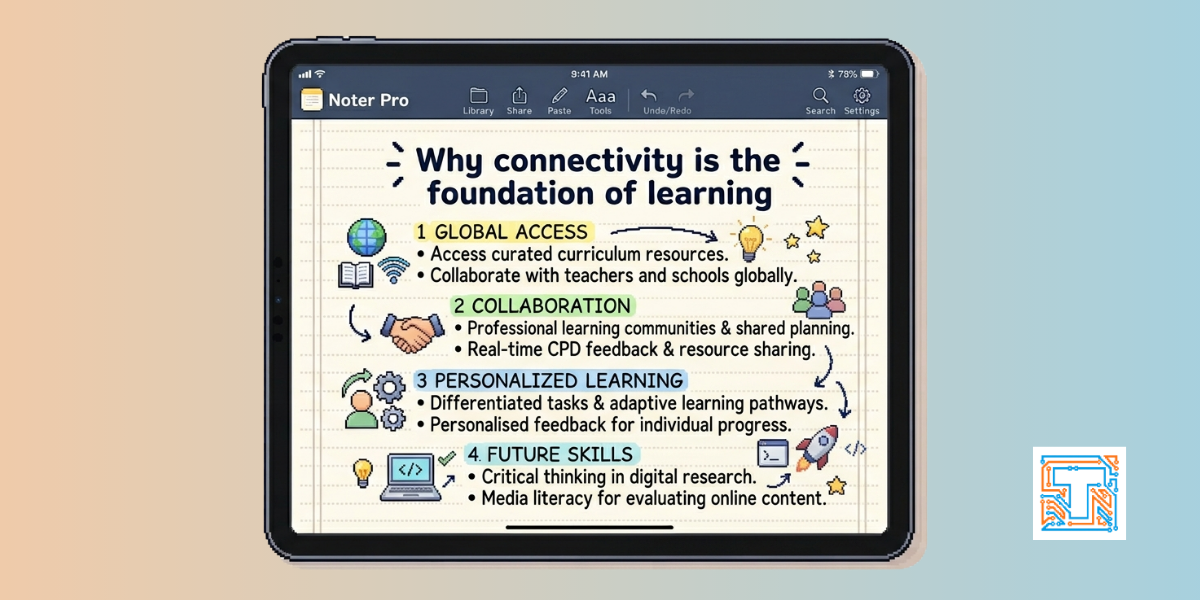
Because when connectivity is strong, learning becomes more accessible, teaching becomes more consistent, and schools are better equipped to embrace the future of education.